
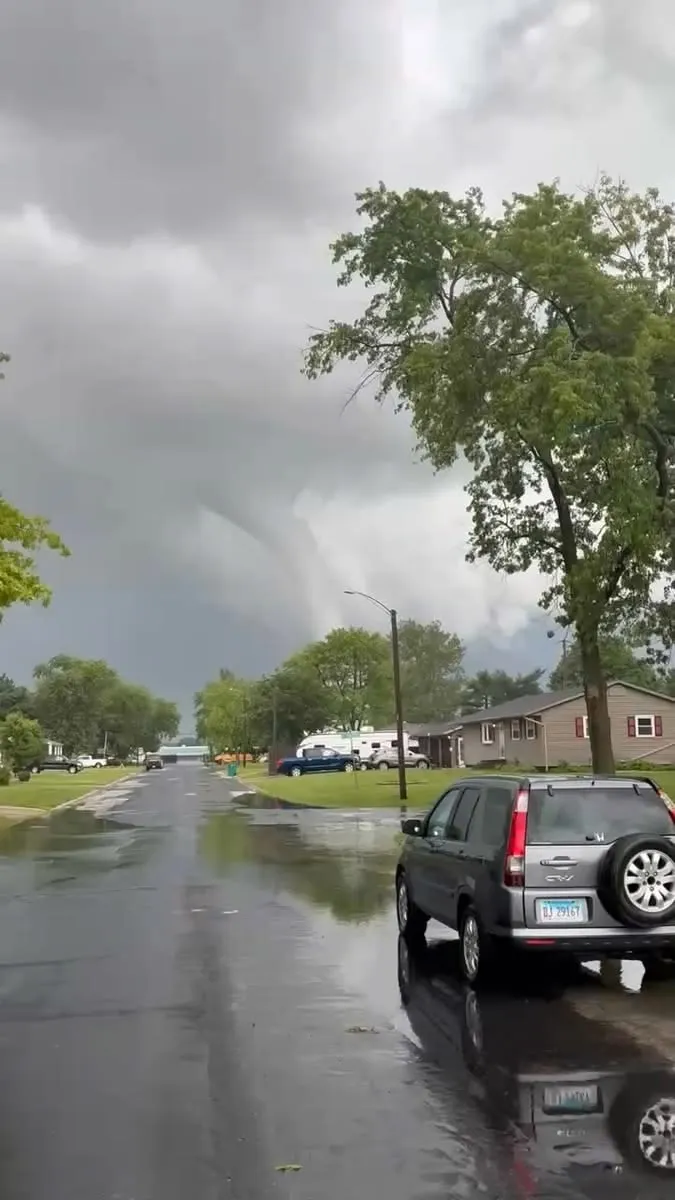
A severe-weather trip may be inspired by the sky, but much of the experience happens on the road. Highways connect forecast targets, viewing areas, fuel stops, and overnight destinations, making practical travel an important part of every chase. Anyone considering Kansas storm chasing tours 2027 should expect roads to play a much larger role than they would on a conventional sightseeing vacation.
This does not mean travelers need to study maps before arriving. It simply helps to understand why routes change, why one viewing location may be preferred over another, and why getting as close as possible to a storm is not the objective.
Roads Help Chasers Follow Changing Conditions
Storms do not develop according to a fixed travel itinerary. A forecast may point toward one area in the morning, but observations later in the day can shift attention somewhere else. That makes mobility important. Roads allow a group to respond when the preferred target changes or when developing thunderstorms require a different position.
For guests, an unexpected turn or additional stretch of driving may initially seem unusual. In reality, changing routes are a normal consequence of following an atmosphere that continues evolving throughout the day.
The Shortest Route Is Not Always the Best
Navigation apps generally recommend the quickest way between two fixed locations. Storm chasing presents a different challenge because weather is moving and the destination itself may change.
The shortest road may offer limited options farther ahead. Another route could provide useful connections, clearer visibility, or better opportunities to reposition later. Route selection therefore involves more than reducing mileage. Maintaining practical options can matter when a storm changes speed, direction, or structure.
Open Country Offers a Wider View
The Great Plains are particularly interesting because many areas provide long views across relatively open landscapes. From an appropriate location, travelers may be able to see developing clouds and storm structures from considerable distances.
A wider perspective can sometimes be more impressive than being very close. Large thunderstorms can occupy an enormous portion of the horizon, and distance helps reveal their overall scale. Fields, rural highways, and distant structures also provide useful visual context for travelers interested in photography.
Storm Movement Influences Every Stop
Once thunderstorms form, positioning becomes an ongoing process rather than a one-time decision. A location that works well initially may become less useful as precipitation expands or the storm moves. People researching tornado chasing tours 2027 should therefore expect some viewing stops to be relatively brief. Moving again does not necessarily mean that something has gone wrong. It may simply reflect the changing weather.
Following instructions and remaining ready to leave helps the group respond efficiently when another position becomes preferable.
Rural Travel Requires Simple Preparation
Weather targets can lead through areas where services are less frequent than they are around major cities. Guests can make longer road periods easier by keeping a few essentials accessible.
Useful items include:
-
A reusable water bottle
-
Small snacks
-
Essential personal medication
-
A portable phone charger
-
Sunglasses and sunscreen
-
Camera batteries and memory cards
-
A lightweight weather-resistant layer
Keeping belongings organized is generally more useful than bringing excessive equipment. When an interesting viewing opportunity develops, travelers should be able to find what they need quickly.
Traffic Is Part of the Real Environment
Storm chasing does not take place on empty roads. Normal traffic, construction, towns, and other road conditions still influence travel. This is another reason why practical positioning matters. Waiting until the last possible moment to move can reduce available options, particularly if road conditions become busier or visibility changes.
Travelers should view route decisions as part of the overall chase rather than expecting every move to provide the shortest possible path toward dramatic weather.
Road Time Reveals Another Side of the Plains
Driving is not simply the space between storms. Following weather can take travelers through agricultural regions, small communities, and landscapes that rarely feature on standard vacation itineraries. An empty highway beneath building clouds, a distant town under changing light, or miles of open farmland can become memorable parts of the journey.
These quieter scenes also provide contrast when thunderstorms eventually develop. They show how dramatically the atmosphere can transform an otherwise peaceful landscape.
Getting Closer Is Not the Goal
First-time storm chasers may assume that a successful viewing position must be very close to severe weather. That is not necessarily true. Heavy rain or poor positioning can hide storm structure, while a location farther away may offer a much clearer view. Maintaining useful road options is also important as conditions evolve.
The purpose is to observe weather from an appropriate perspective, not to minimize the distance between travelers and a storm.
Conclusion
Road awareness is an easily overlooked part of storm chasing. Routes, visibility, storm movement, traffic, practical stops, and changing destinations all influence how the day unfolds.
With Storm Chasing Adventure Tours, road travel becomes part of the wider experience, connecting changing weather targets with the distinctive landscapes and enormous horizons that make the Great Plains such an interesting region to explore.